
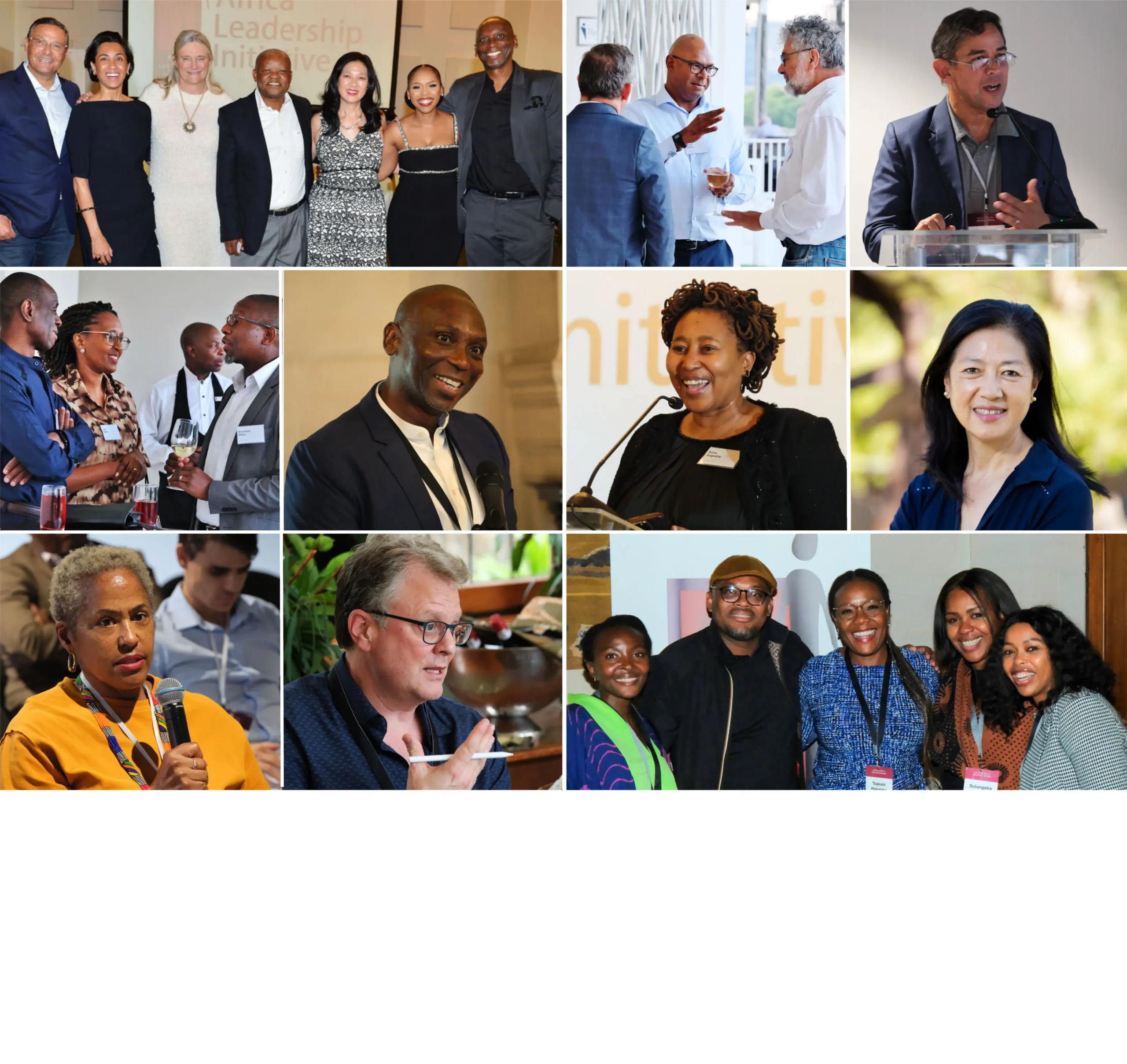
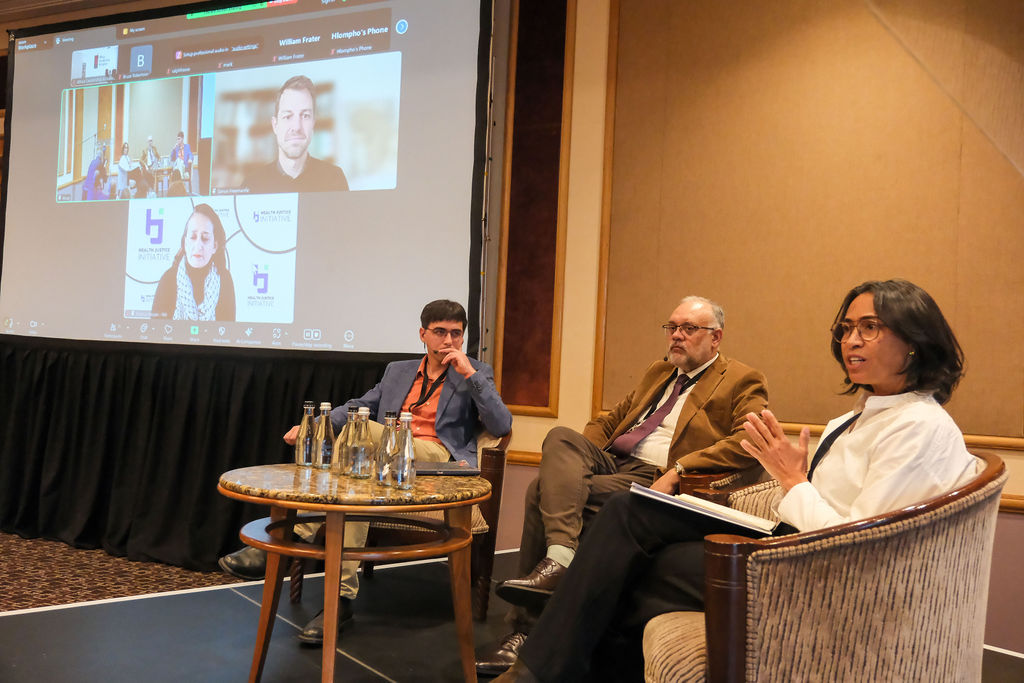
In June this year, ALI SA hosted a Dialogue on “South Africa: Navigating Geopolitical Shifts”, bringing together Fellows and partners for a frank, thoughtful discussion on how global power shifts are reshaping South Africa’s choices at home and abroad. Six months later, much of what was shared in that room still frames how we understand the country’s position in a more contested world.
Power, minerals and South Africa’s leverage
The conversation opened with a clear sense that the old, predictable order has given way to something more volatile. The panel described a world in which disruptive leaders are challenging established institutions, using grievance and identity politics while advancing concentrated economic interests. At the centre of this shift is a renewed scramble for influence, fuelled by disinformation and a move from a single dominant power to a more fragmented, multipolar landscape.
Within this context, South Africa is not a bystander. The discussion highlighted how the country’s diplomatic choices, its stance in groupings such as BRICS and the G20 and its role at forums like the International Court of Justice have drawn sharper scrutiny from Washington and elsewhere. South Africa cannot afford to internalise weakness. We should be clear about our own interests and confident about what we bring to the table. When we forget our strategic importance, we bargain from a defensive crouch and invite pressure rather than partnership.
One of the most compelling threads of the evening was the role of critical minerals in today’s geopolitics. The panel unpacked how major powers have mapped their dependence on a basket of minerals essential for technology, defence and the green economy and how China’s dominance in processing has intensified competition over African resources. In this mapping, South Africa features prominently because of its platinum-group metals and its involvement in stabilising mineral-rich areas such as the eastern DRC.
The takeaway was that South Africa has more leverage than it often assumes but leverage only matters if it is recognised and used. Entering negotiations as if the country has no bargaining power is a strategic mistake and signals weakness to counterparts who respond to strength. The room responded to this with a mix of concern and resolve, recognising that values-based leadership includes being clear about national interests and the tools available to advance them.
The actual cost of “uncertainty”
Tariffs, trade threats and shifting diplomatic stances were unpacked not as abstract headlines but as everyday risks. A single tariff increase may look small in a model, yet the uncertainty it creates can freeze investment, delay hiring and sap the fragile confidence needed for growth.
The Dialogue also highlighted that foreign policy has been allowed to drift. South Africa has powerful formal platforms – BRICS, the G20 presidency, the African Union – but has not consistently used them to advance a coherent, principled agenda that aligns with our economic and social priorities. This period of volatility is an opportunity to rethink that approach and assert the country’s position rather than simply hoping the storm will pass.
Health, justice and human consequences
The session’s emotional centre was the discussion on public health. Aid cuts to global health funding and research were translated into specific consequences: an estimated R7.8 billion annual shortfall, the halting of at least twenty-two clinical trials and the loss of work for thousands of community health workers, NGO staff, researchers and scientists. This affects the pipeline of research on HIV, TB, cancer and other conditions and risks taking South Africa back to levels of vulnerability last seen in the late 1990s and early 2000s.
Collaboration in science was affirmed as essential, yet the panel warned that forced, abrupt “self-reliance” can undo years of careful planning to transition away from external funding. The modelling figures shared in the room, including projections of hundreds of thousands of additional deaths and infections if current trends persist, underscored that geopolitical decisions in distant capitals quickly become questions of life and death in clinics across the South Africa. The atmosphere in the room shifted from analysis to a more sober appreciation of what is at stake.
Africa’s agency and leadership responsibilities
The questions from Fellows brought the focus back to Africa’s agency. Contributors challenged the extent to which African countries, six decades after independence, still rely on external funding for essential services and look outward for solutions to domestic problems. South Africa’s own strengths were emphasised: the depth of its financial markets, the scale of its pension funds, its skills base and its role as a gateway for investment into the continent.
At the same time, participants pointed to missed opportunities. Smaller countries have, in some respects, moved faster to position themselves as hubs and continental unity is regularly weakened by selective bilateral deals and proxy dynamics in conflict regions. The discussion repeatedly returned to the need for South Africa to work through the African Union, the African Continental Free Trade Area, BRICS and other multilateral platforms to strengthen collective bargaining power, rather than allowing others to define Africa’s agenda.
Looking ahead
As the Dialogue closed, there was no illusion that the global environment would stabilise quickly. The consensus was that South Africa faces a demanding period in which foreign policy, economic strategy and public health are more tightly connected than before. The evening underlined three responsibilities for leadership in this context: to recognise and use South Africa’s leverage responsibly; to insist on a foreign policy that is principled, coherent and aligned with the continent’s priorities and to support institutions that stand at the junction of health, justice and economic inclusion.
Six months on, the questions raised in that room have only grown sharper. Navigating geopolitical shifts is not a once-off topic; it is now part of the daily work of ethical leadership in South Africa. For the fellowship, the invitation is clear: stay informed, stay connected and use every platform – from boardrooms to community spaces – to move the country from reaction to purposeful action.