
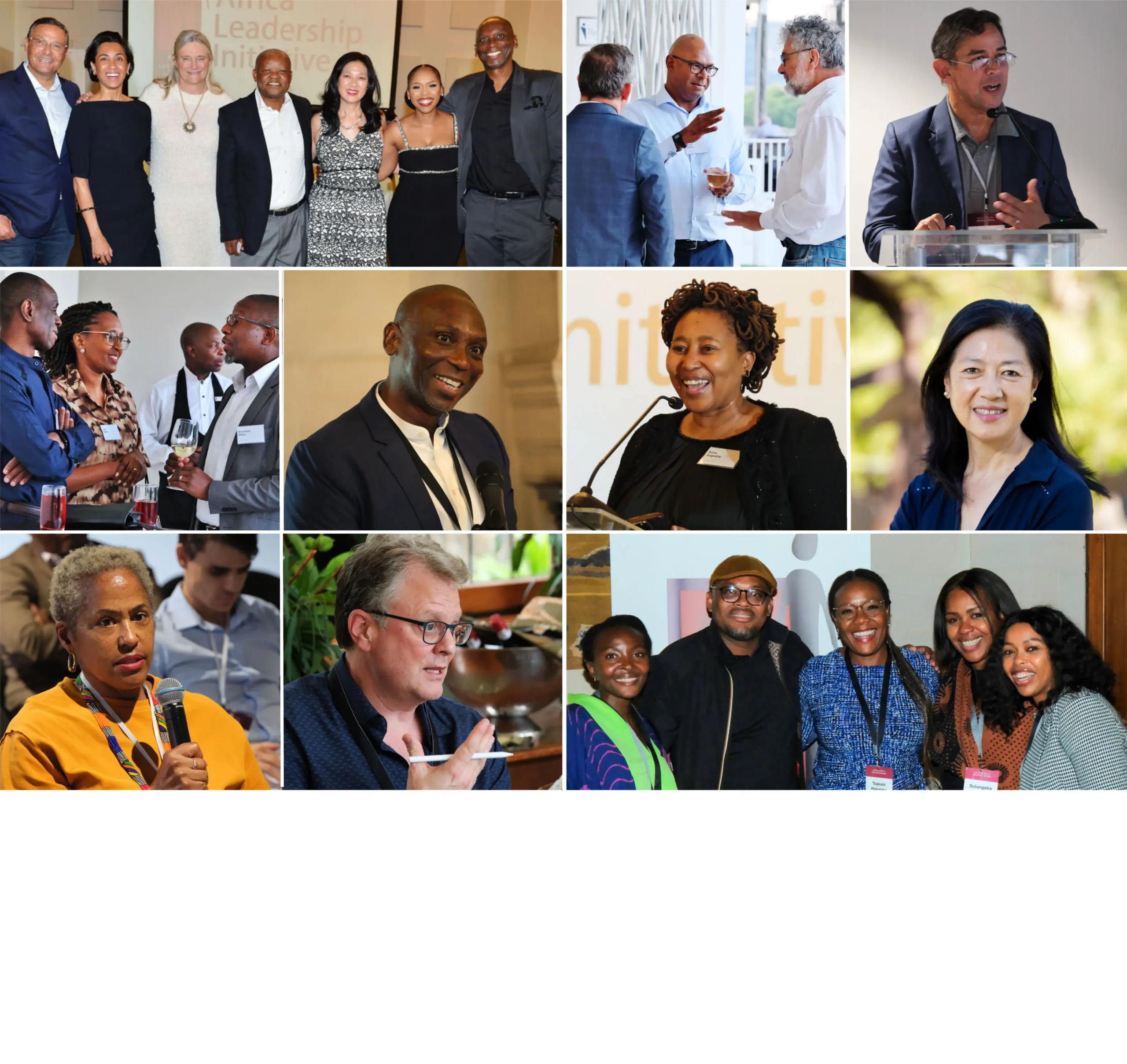
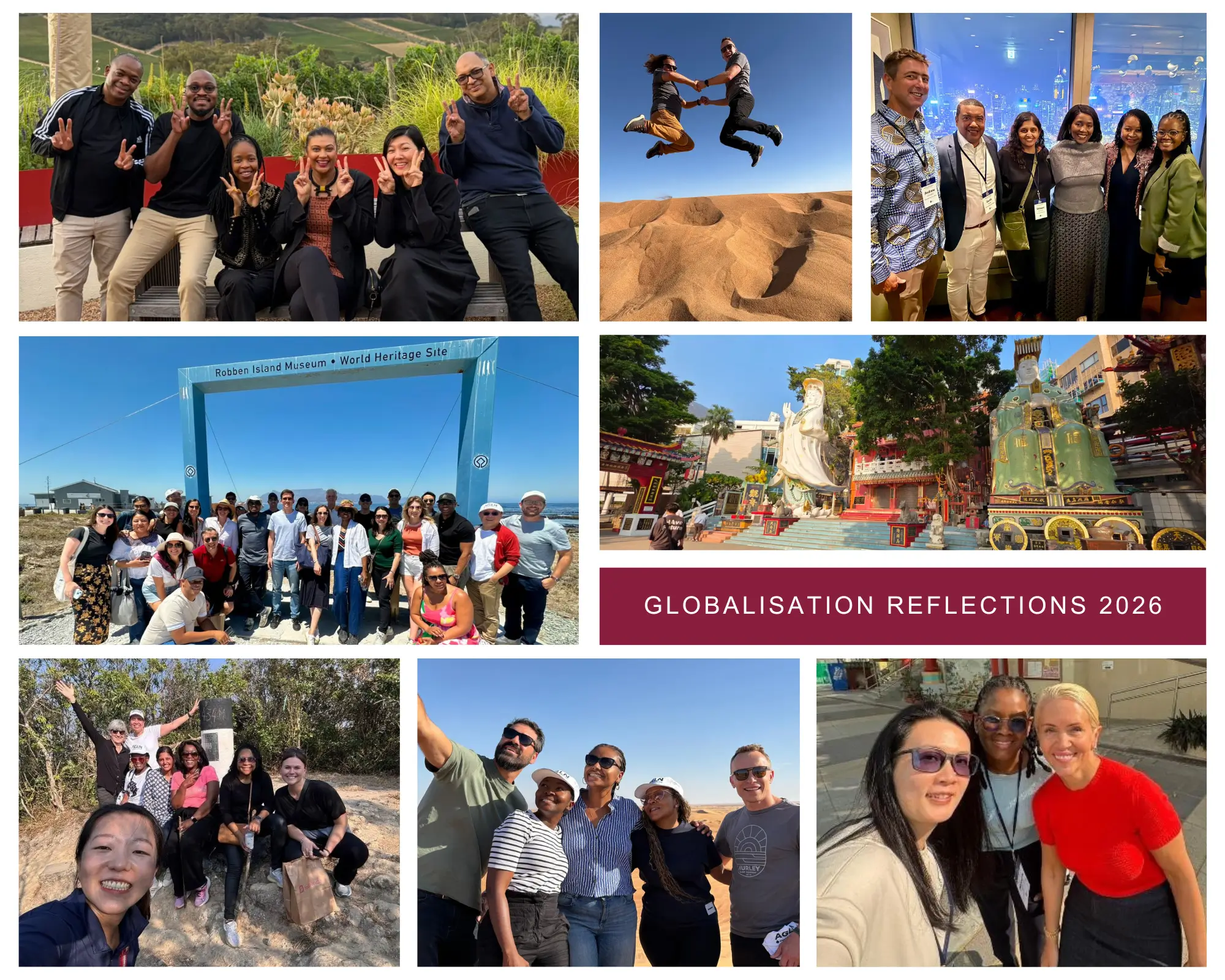
As part of the 2026 Globalisation Cycle, candidate fellows from the Class XV Khawuleza cohort participated in seminars held in different parts of the world, engaging with leaders from across the Aspen Global Leadership Network. These gatherings brought together fellows from diverse countries, industries and perspectives to reflect on leadership in an increasingly interconnected and complex global context. The following four report-backs capture personal reflections from candidate fellows who attended the seminars in Hong Kong, Dubai, Stellenbosch and Guatemala. Each account offers a unique lens on the experience — from moments of deep dialogue and cross-cultural connection to the challenges of engaging meaningfully across difference — and together they highlight the enduring value of global fellowship in shaping thoughtful and responsible leadership.
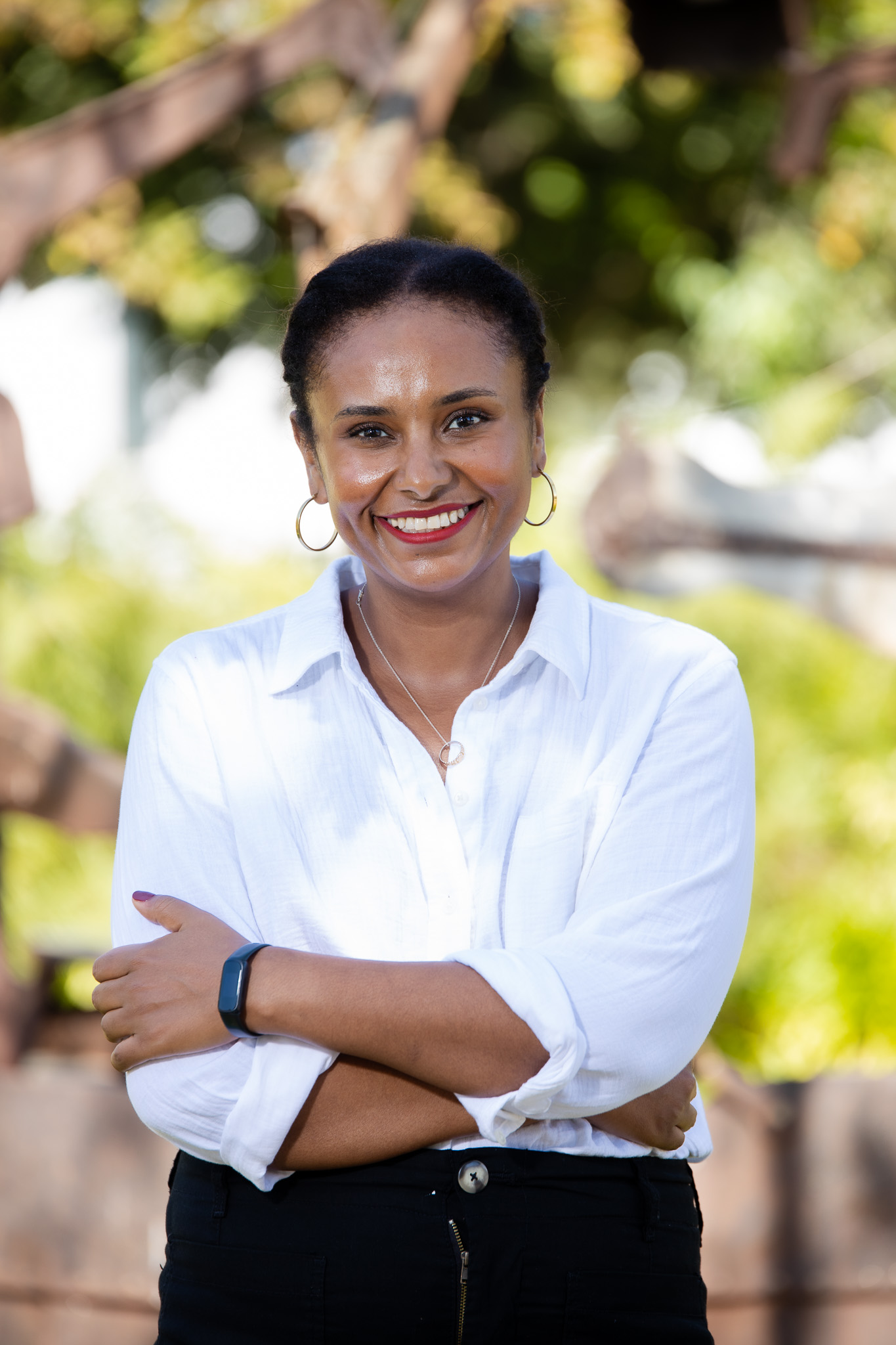
Rahel Wondwossen
Almost as soon as we started the fellowship, everyone said the globalisation gathering would be a favourite. That was genuinely hard to imagine given the extraordinary experiences, conversations and connections we were already making at our local gathering here in South Africa. I went without much detailed expectation, other than anticipating it would be a good gathering. It lived up to the hype and proved an even richer source of connection and reflection.
Dubai was not a place I would have chosen on my own, had it not been for a fellowship like this. I was also overwhelmed when, in late November, I realised there was an entire book to read in addition to the packet. With the busyness of the holiday season and the general chaos of year-end, my week in Dubai crept up quickly. Both of these ended up being highlights.
The inclusion of Octavia Butler’s extraordinary Parable of the Sower was deeply relevant and challenging, sparking rich discussion about sowing seeds of optimism and leadership in soil that may not be the most conducive. In no other corner of my life or work could I imagine engaging with a text so revolutionary in its call to action alongside such a diverse group of people — diverse in lived history, work and ways of life.
And while my personal travels might never have taken me to Dubai, I am richer for having listened to a gathering of Middle Eastern fellows reflect on what it means to live, work and lead in that particular corner of the world, and for understanding the safety that Dubai so often represents for them. Even more extraordinary was the chance to share a meal with those Fellows, breaking bread amid candid, challenging conversations about the politics and future of the region. That kind of intimacy, across difference and over a shared table, is rare and not easily forgotten.
Writing this now, with news of recent attacks in the region, I find myself sitting with something harder to name. What does it mean when a place that offered safety amid turmoil now feels unsafe? That question is not abstract for me anymore; it belongs to people I have shared meals and real conversations with, people whose lives and work I now know something of. I am heartened, though, to see our fellowship WhatsApp group alive with concern, check-ins and updates from our Middle Eastern moderator.
My favourite part of the week was, of course, the camaraderie, respect and genuine affection that grew among the Fellows from Central America, the USA, Asia and South Africa. The readings provided shared context and foundation, but each of us (guided by our extraordinary moderators) brought our unique lived experiences and work to that particular moment. In a time when so much in the world feels overwhelming, there was real comfort in building a broader network of leaders and friends to call on as we lead in our respective corners of the world. The power of the experience lay in that combination: shared respect alongside great diversity. I left feeling grateful for the week, thrilled to count myself part of two fellowship cohorts and more connected and inspired by the ALI Fellows I have the privilege of travelling alongside.
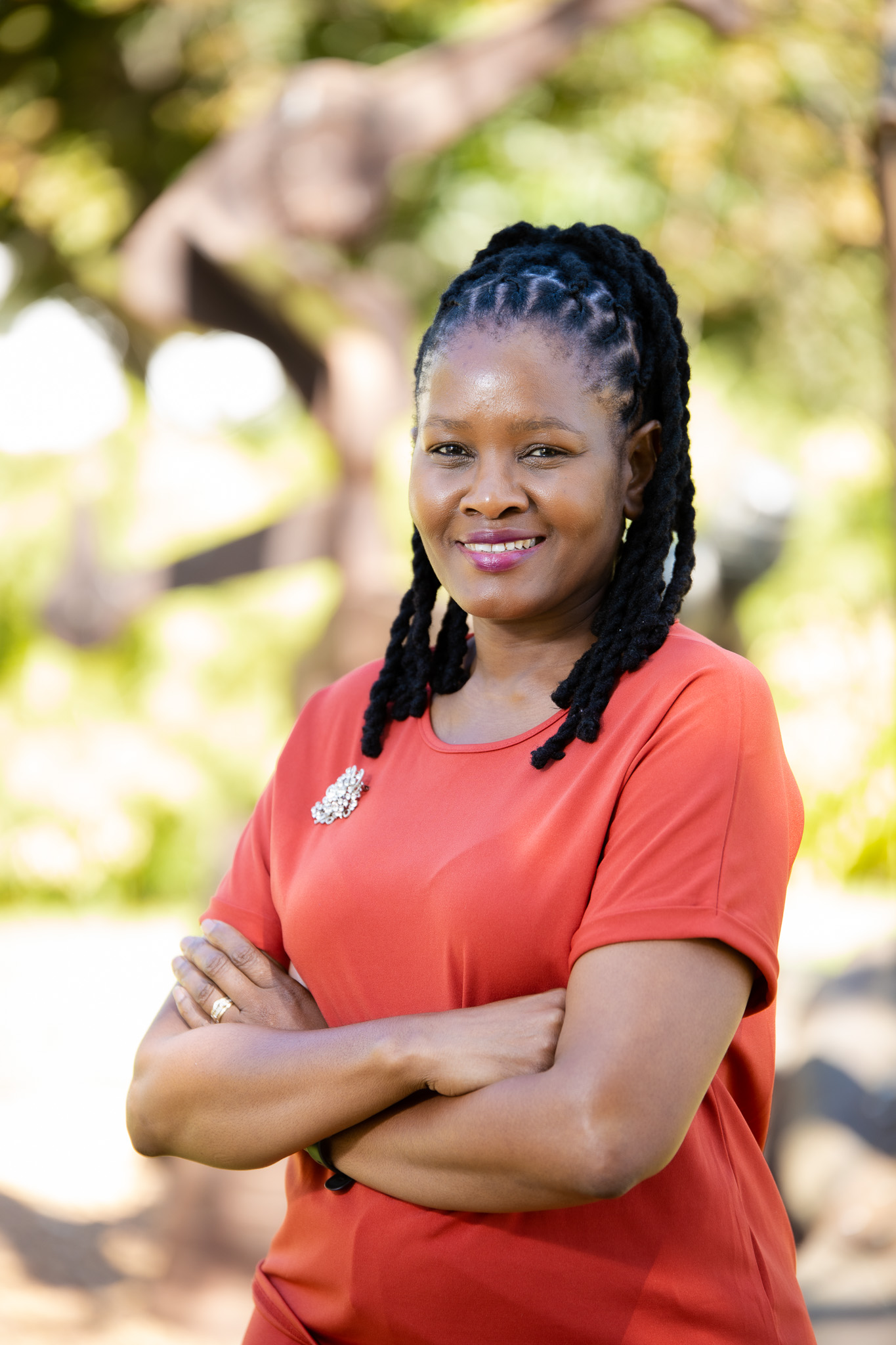
Phindile Mkwanazi
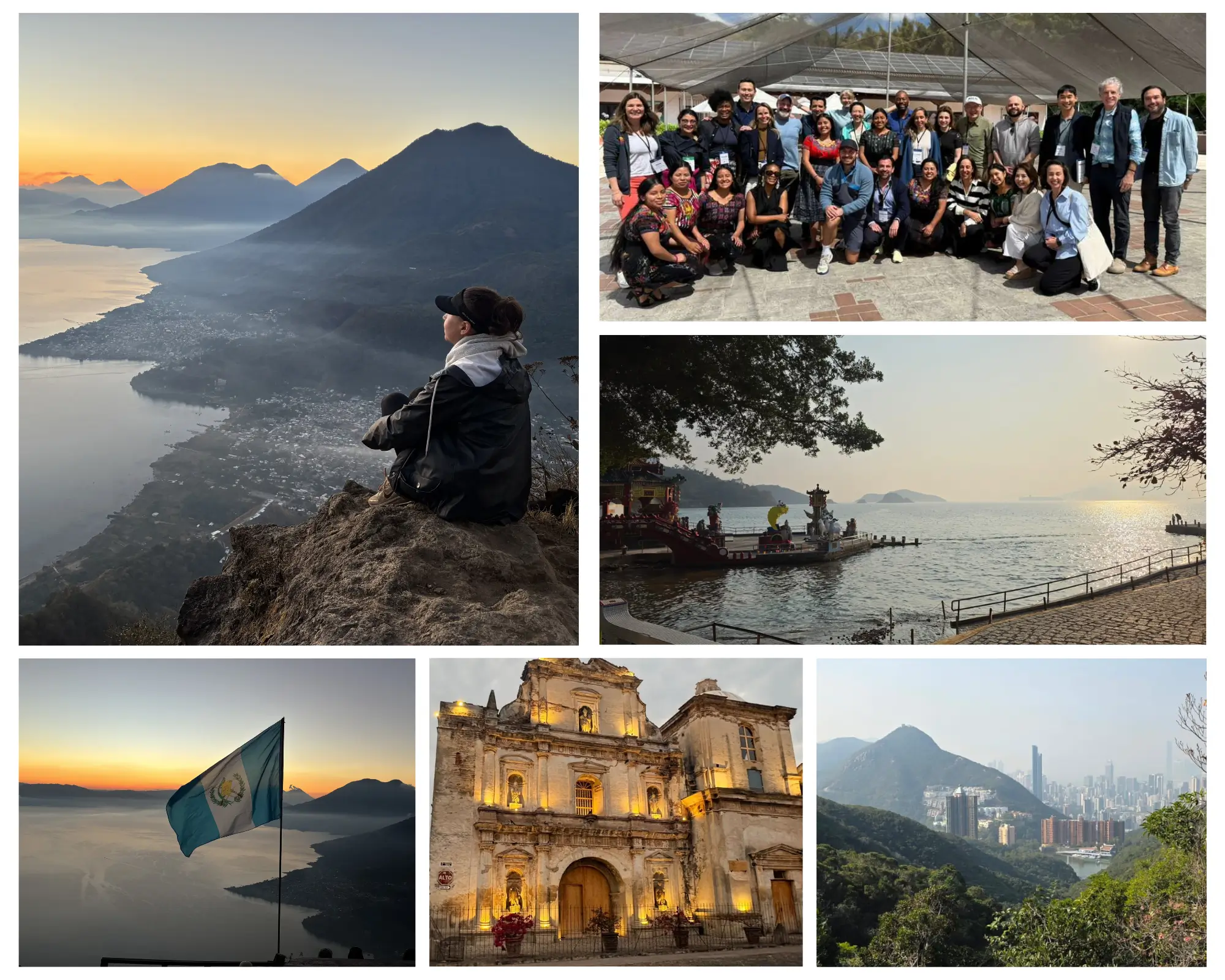
I attended the Hong Kong globalisation seminar, which took place on 25–30 January 2026. We had Fellows from the following fellowships: African Leadership Initiative South Africa, China Fellowship, Central America Leadership Initiative, Finance Leaders Fellowship and Henry Crown Fellowship. From day one, there was a welcoming and inviting atmosphere from the organisers, moderators and all the Fellows. The moderators, John Simpkins, Lynn Utter and Jen Zhu Scott, were exceptional in creating a space where dialogue could flow and all fellows were given space to share their views and be listened to.
The selected readings sparked debate and allowed diverse views, helping me listen to different perspectives. The mix of Fellows from different countries and different industries enriched the discussions. I had an “aha” moment about the privilege of my leadership role and was reinvigorated to make a difference in my sphere of influence. The team I was paired with to discuss our ventures was very helpful and their feedback was very helpful. I appreciated the team-building exercise called “walkie-talkie,” where we were paired in teams of three Fellows and went on a walk. The exercise involved walking, with each fellow sharing for 10 minutes and the other Fellows listening and retelling what the Fellow shared. This exercise created a bond among the Fellows and provided space to reflect on where we are in our leadership and personal spaces.
One of the most memorable experiences in Hong Kong was the Repulse Bay hike outing, which was sold to us as an easy hike but turned out to be a test of our fitness and trust. We experienced the beautiful views and the history of Hong Kong. After many steep steps, we were all excited to arrive at the beach with a beautiful sunset and reflect on the experience with shaking legs. We referred to the experience jokingly for the rest of the week.
I’m grateful for the opportunity provided to participate in the globalisation seminar and for the new friendships formed through the experience.
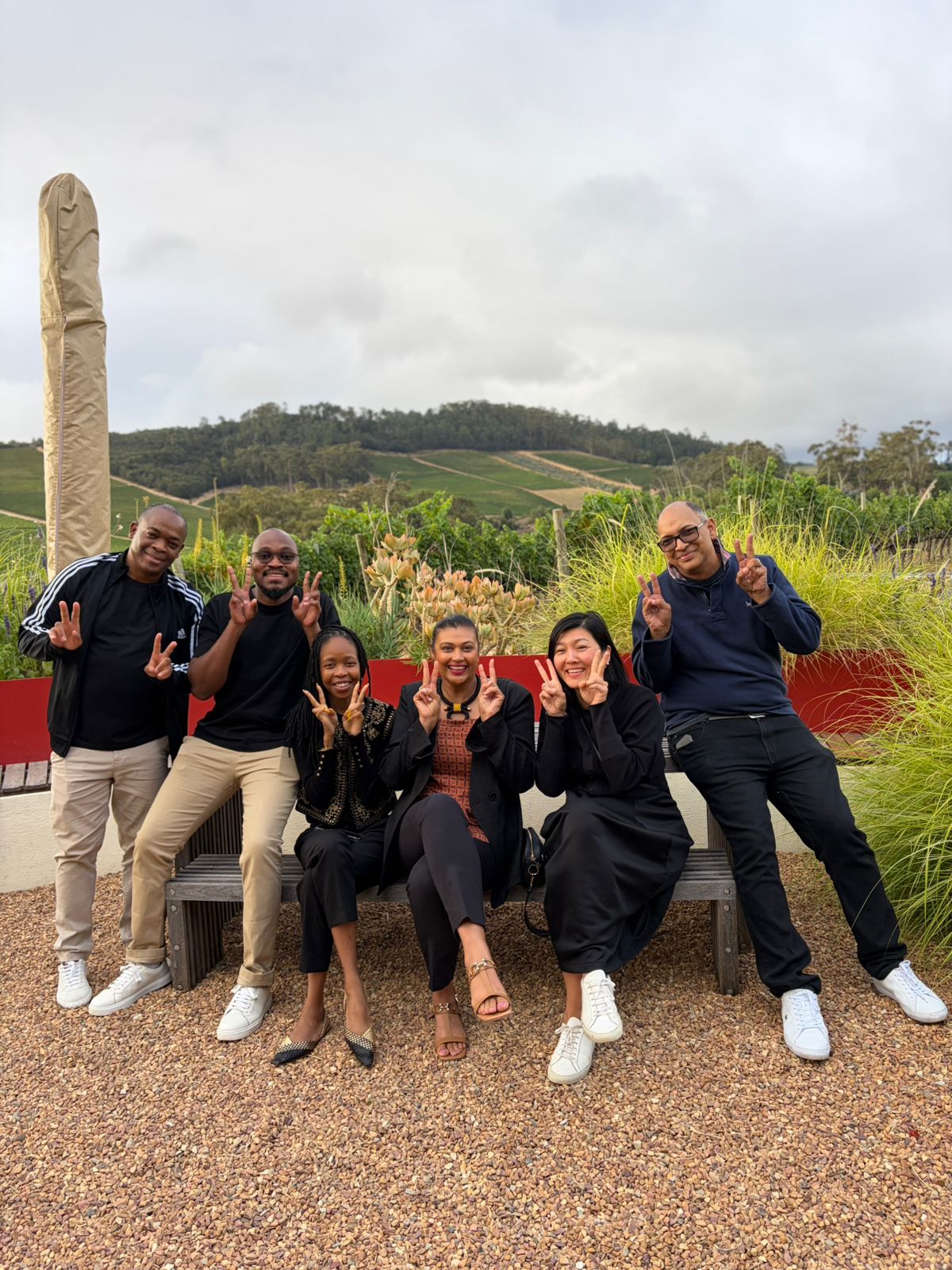
Class XV: Khawuleza
The Idyllic Setting vs. The Woolfian Reality
The seminar gathered a remarkable assembly of leaders at a setting in Stellenbosch that was, by all accounts, idyllic. However, despite the beautiful weather and the vast potential presented by a group spanning nationalities from China and Guatemala to South Africa and the United States, the formal dialogue often failed to achieve the depth it aspired to. The Aspen Principles contend that “the path to truth is paved with dialogue and disagreement,” yet the engagements within the seminar room frequently mirrored the flatness and internal friction depicted in Virginia Woolf’s “To The Lighthouse”.
The Seminar Room: A study in being together but apart
The disconnect between the setting’s promise and the actual discourse finds an appropriate parallel in Virginia Woolf’s novel, specifically during the central dinner party hosted by Mrs Ramsay. In this scene, a diverse group – including the self-involved academic Charles Tansley, the introspective artist Lily Briscoe, and the influential and demanding Mr Ramsay – gathers around a long table for a meal. The dinner is characterised by a heavy sense of separation as the guests remain locked in their own internal worlds. While Mrs Ramsay makes a heroic effort, albeit unsuccessfully, to bring the gathered closer to each other and create some sense of unity through her hospitality, the product of the effort falls apart as soon as her dinner guests leave the table.
Much like the dinner guests at the Ramsay table, the leaders in this seminar often struggled to step into the experience meaningfully. The dialogue, intended to be a tool to “facilitate the building of relationships across our differences,” was instead characterised by withholding, missed cues and speaking past each other. While the seminar guidelines invited participants to explore what they “owe each other across borders,” the actual exchanges were often, though not always, brief, brittle and fractious.
One could sense a bit more than a homeopathic trace of the modern parallel to one of the characters in Woolf’s classic, Charles Tansley, who felt the need to assert his own standing rather than truly listen. In other instances, one could sense from some in the room the regret of a wasted opportunity and an attempt to salvage a fading moment. They, like Mrs Ramsay, likely felt” that the whole of the effort of merging and flowing and creating rested on [them].” In the formal setting, in the final analysis, the diversity of thought and perspective was present in the room but not always in the discourse.
The Aftermath: A Post-Dinner Sentiment
As the formal sessions concluded, the sentiment was strikingly similar to the aftermath of Woolf’s dinner, where the moment of unity “changed” and “shaped itself differently,” leaving a sense that the promised illumination had remained just out of reach. Despite the presence of such “improbably successful leaders” and the aspiration to move “beyond your own horizons,” the formal sessions often left a shadow of “the inadequacy of human relationships”. The creative tension requested by Dr Martin Luther King Jr. in his writings was present, but it frequently manifested as a sterile gridlock rather than a catalyst for growth. Even when there was agitation to set ourselves on a better path, one sensed that the effort had been offered only after its moment had passed.
The Redeeming Aspect: Dialogue Beyond the Strictures
The true essence and promise of the seminar were not lost, however, they were simply found elsewhere. The redeeming aspects were the conversations outside of the seminar room. It was during walks, and over shared meals and drinks that the “withholding” began to dissolve. In these moments the African ethic of Ubuntu – You are because I am – seemed to infect the interaction and we were in some way able to see each other. While the formal “statecraft” of the seminar room may have stifled connection, the “soulcraft” of individual relationships thrived during strolls through the Stellenbosch landscape. Not all was lost. We discovered the spirit of Costa Rica captured in Pura Vida, the quiet generosity of Guatemala, the lack of ease with stability brought by strong man politics as liberties are eroded, the love of reading, the passion for AI and finance, the love for one’s children, and so on in that vein.
There is still significant promise in the pursuit of these individual connections, suggesting that the seeds of possibility carried by this global fellowship may yet find more fertile ground in the quiet, personal spaces between the formalities. Seeds that can likely grow to a bountiful harvest.
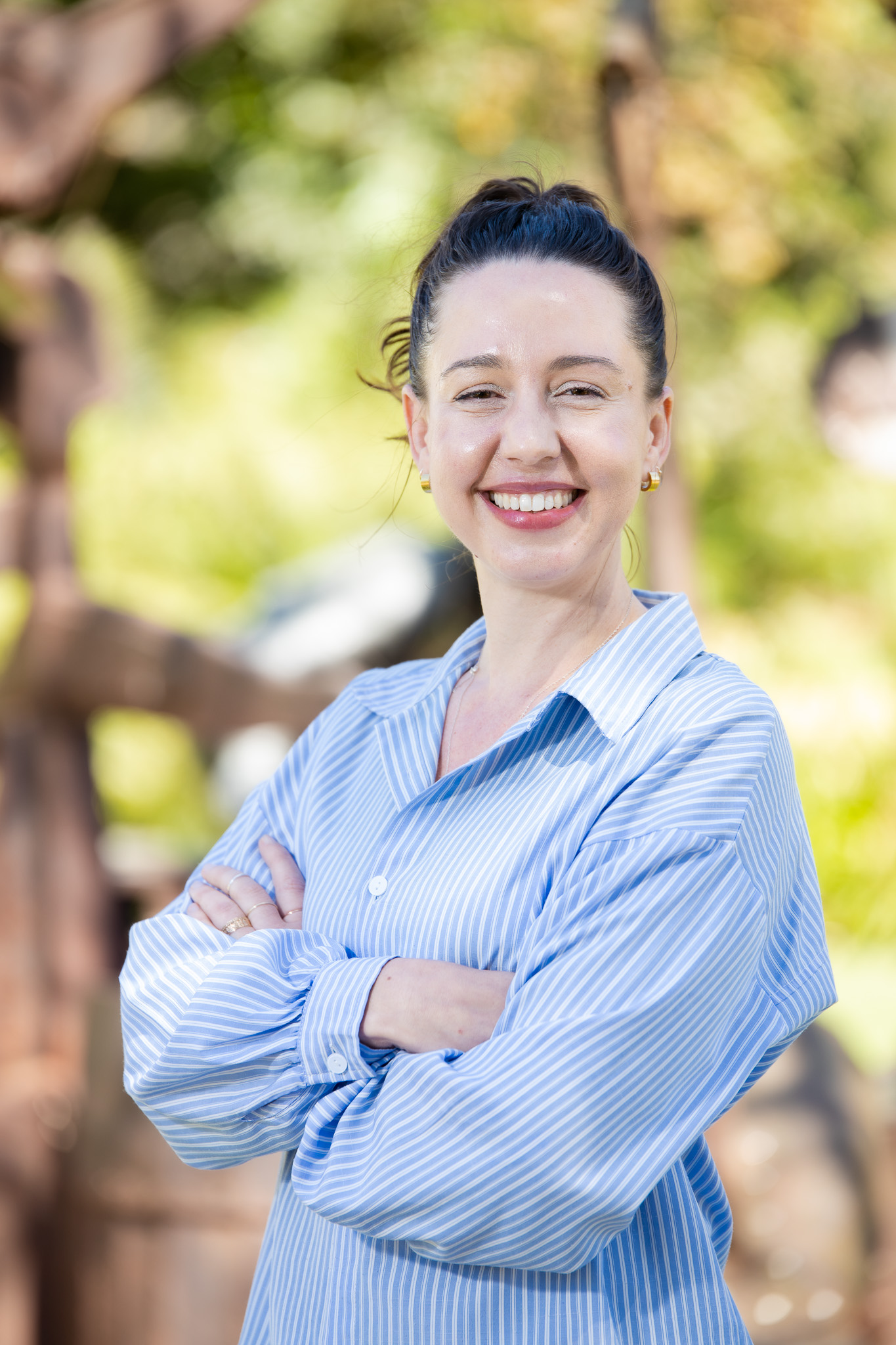
Rahel Wondwossen
My recent Globalisation Fellowship was a rare experience that both unsettled and grounded me in equal measure.
I selected Guatemala as my Globalisation seminar location – which, as I heard it, is a transformative aspect of the Aspen and African Leadership Initiative (ALI) process. I always knew that I’d love Guatemala, and the only time I had a minor pang of regret in choosing this location was during a 19-hour layover in Paris on my way there. From the moment I landed and had my first cup of Guatemalan coffee, I had the sense I was going to have fun, but could not have foreseen the magic ahead.
My ideas, perspectives and preconceptions were challenged from the very first seminar. One of the first things I noticed was the humility in the room. People on this particular seminar programme were from China, the USA, Central America and South Africa. I could sense a collective respect for diversity in terms of geography and culture, but also for temperament and lived experience. There was very little time wasted in jumping straight into it and discussions were rigorous but broad, generous and at times deeply personal. The arc of the readings, from thinking through borders and debating globalisation to supply chain ethics and stretching to how a nation’s soul might shape its policy, was brought alive by expert facilitation that both held and challenged us. We also challenged each other to think critically about the nature of leadership, power and belonging in a world that is increasingly interconnected yet persistently unequal. There was something that was both exciting and slightly disconcerting about being in a room with new people where ideas weren’t just exchanged but also transformed in real time.
As the seminar progressed and the readings became increasingly personal, the energy in the room became more deeply connected. My worldview and current frame of mind and inner world were changing. I listened to people’s accounts of leadership, hope, hardship, innovation, dissonances and strength, and it reminded me that in the global context leadership demands hard work, mental and intellectual agility, but also emotional agility and, as unusual as it sounds, spiritual steadiness. I’d always thought that I needed to be ready to take people with me and persuade people of a mission to be a good leader, but the seminar made me realise that I needed to be equally open to being moved.
Guatemala itself and its people were utterly magical. As one of our facilitators pointed out, the terrain and positioning of Antigua are themselves magical. The city itself is surrounded by three active volcanoes as well as having traces of ancient Mayan civilisation and thinking. It’s difficult not to think that all of this played a role in laying the groundwork for the transformative experience. Our Central American hosts welcomed us with warmth and depth, so much so that I had the sense that being a good host was a national or regional value. Setting the scene with this generosity of time and spirit immediately created an atmosphere of trust that allowed our group to come together intellectually and with our hearts.
As part of the seminar programme, we were invited to a Mayan fire ceremony where each fellowship member was introduced to our Nahual, a spirit guide associated with our birth date in the sacred Maya Cholq’ij calendar. The ceremony predates our modern borders and spoke to universal themes of gratitude, renewal and connection. Looking back, many of these were values present within our group, but at the time I was surprised at how open and accepting every single seminar member was to the experience and to being transformed.
We also bonded through shared joy and fun, spending many nights together after the formal seminar activities had ended – dancing, laughing and deepening conversations. As the seminar days passed, I began to notice a shift in my compatriots: a lightness through belly laughs, a loosening of armour and softening of edges and a settling into a grounded sense of self.
Returning home, it’s difficult to describe how this experience has transformed me. I’m actually not even sure that people would believe it, given my worldview prior to the seminar. It’s also extremely rare in today’s world to find a place where unconditional acceptance and love are the foundational principles for discourse and dialogue. I’m not entirely sure how to explain this either or how to replicate it. One thing I know is that I have friends forever within this seminar group. While I’m typing, I know the words on the page can’t fully capture the gratitude I have for the seminar facilitators, organisers and every single participant.
Most importantly, the seminar has challenged me in a way that I hope to carry with me long beyond the seminar and leadership programme. That is to approach each day with love, openness and curiosity. I’ve been trying it out over the last few days since I’ve been back and it seems to work pretty well – both during the ups and the challenges. I hope I can make it a core part of how I exist in the world.